A garden that hums, flutters and chatters is rarely an accident. It usually comes down to planting things that local wildlife already knows how to use, then resisting the urge to tidy everything away. Native plants are the obvious starting point, because our bees, moths, beetles and birds evolved alongside them. That does not mean your garden has to look like a roadside verge. It means choosing a handful of reliable species and giving them the conditions they actually like. Here is how to begin.
Why native plants earn their keep
Our insects have a long shared history with our native flora, and it shows in the way they feed. Many caterpillars are fussy in a way that surprises people new to wildlife gardening: brimstone larvae will take buckthorn and alder buckthorn, holly blue will take holly and ivy, and not much else. Exotic plants can be excellent nectar stations, and plenty of garden favourites are genuinely useful, but they are far less likely to be used as caterpillar food.
That distinction matters because leaves and caterpillars are what feed baby birds in spring. A garden with a backbone of native plants tends to support more of the food chain, not just more flowers. You do not have to be purist about it. A single-flowered cultivar of a native species usually still works; a double-flowered one almost never does, because the extra petals have replaced the nectar and pollen.
Match the plant to the place you have
Most disappointing planting comes down to putting a sun-lover in shade or a moisture-lover in dusty soil. Before you buy anything, spend ten minutes looking properly at your garden at different times of day.
- Light: six hours of sun or more is a sunny spot; under three is shade, and everything in between is the useful, underrated middle ground.
- Soil: squeeze a handful. Gritty and crumbly suggests sand, sticky and shiny suggests clay, dark and soft is loam. Any of them can grow good plants.
- Moisture: does the ground hold puddles in winter, or crack open in summer? Both are useful, but they suit different plants.
- Exposure: a windy, open site needs tougher species than a sheltered courtyard.
- Space: be honest about how wide and tall a plant is allowed to grow before you plant it, not after.
A damp corner is a gift rather than a problem. Ragged robin, meadowsweet, marsh marigold and purple loosestrife will thrive there, none of which will thank you for a dry border against a south-facing wall.
Flowers that feed bees, hoverflies and butterflies
Flower shape matters as much as colour. Think about the mouths that will be visiting.
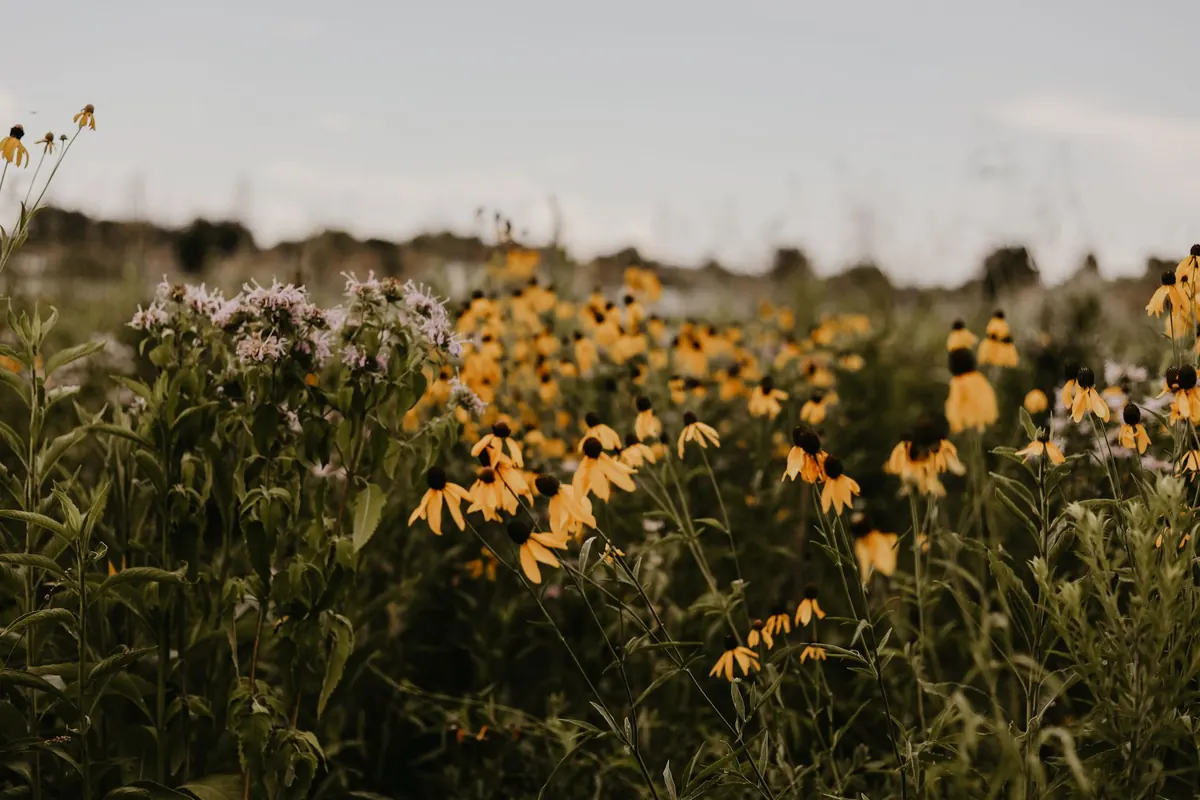
- Open, daisy-like heads: oxeye daisy, yarrow and fleabane give hoverflies, beetles and short-tongued bees somewhere easy to land.
- Flat umbels: cow parsley, wild carrot and wild fennel are magnets for the tiny parasitic wasps and flies that quietly keep pests in check.
- Deep tubes: foxglove, betony, dead-nettle and comfrey suit longer-tongued bumblebees.
- Pea flowers: bird's-foot trefoil and kidney vetch are caterpillar food as well as nectar, and they cope with poor soil.
- Late season: field scabious, common knapweed and devil's-bit scabious flower into September, when bees are still building up winter stores.
Plant in drifts rather than as single specimens. A bee that finds one foxglove may not find the next one, but a patch of six is worth returning to. Aim to have at least three things in flower at any point from March to October, and leave the seed heads standing for the birds.
Shrubs: shelter, berries and nesting cover
Shrubs do the structural work that flowers cannot. They give birds somewhere to nest and roost, provide berries through autumn and winter, and shelter the insects that everything else eats. Hawthorn is the reliable all-rounder: dense, thorny, forgiving, and covered in haws that blackbirds and redwings strip by January. Blackthorn flowers early, on bare stems, when there is almost nothing else for a hungry queen bee. Hazel brings catkins and nuts, guelder rose brings white blossom and glowing autumn leaf colour, and spindle is worth growing for its caterpillars alone.
If you are planting a hedge, mix three or four species rather than one. Bare-root whips planted in a double row in autumn establish quickly with far less watering than large potted shrubs. Cut the hedge in late winter rather than late summer, which avoids disturbing nesting birds and leaves the berries for wildlife instead of the shredder.
Trees worth planting now
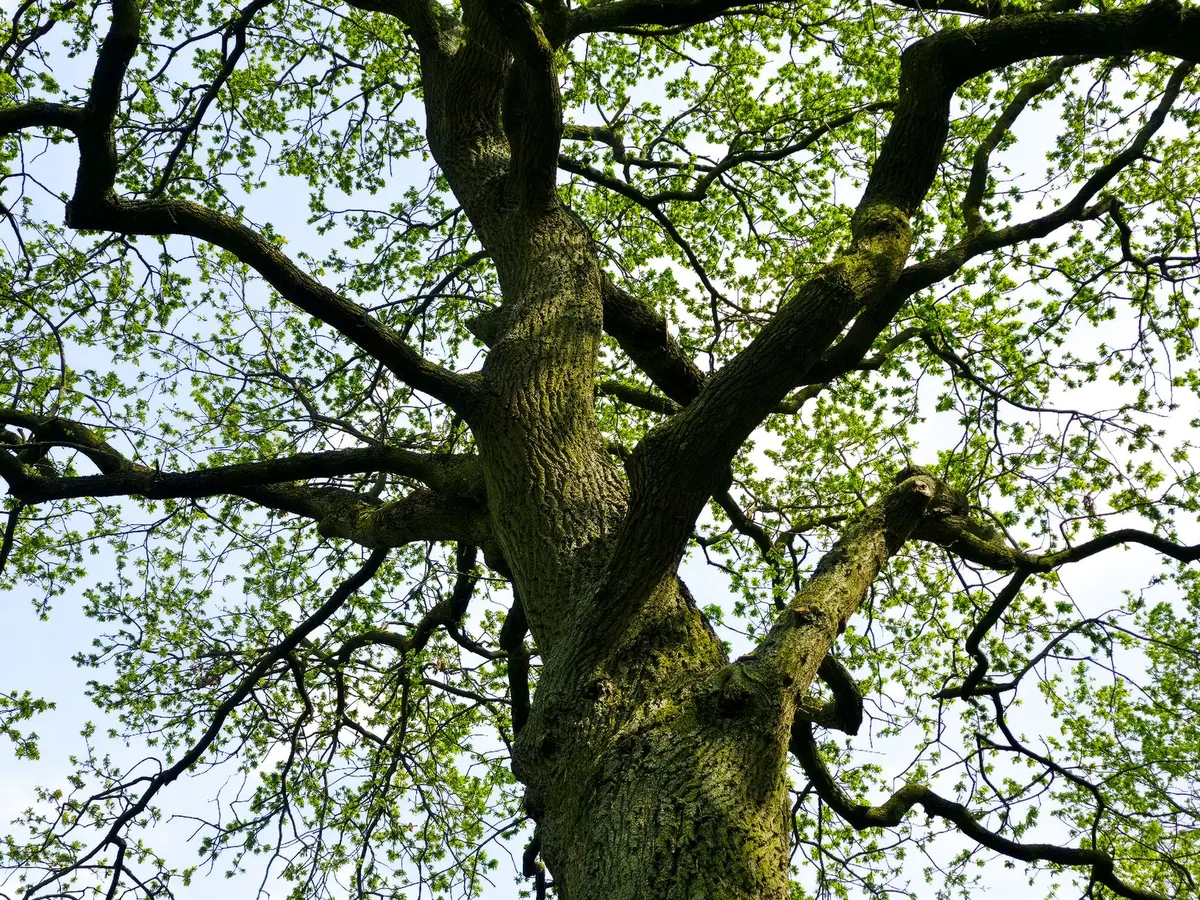
Oak is the famous one, and rightly so — it supports an extraordinary range of insects, from leaf-miners to gall wasps. But a small garden has plenty of better-behaved options. Rowan stays compact, gives spring blossom and autumn berries, and tolerates most soils. Silver birch is fast, airy and good for moths and finches. Field maple turns gold in October and feeds aphids, which in turn feed blue tits. Wild cherry and crab apple add blossom and fruit that birds peck at.
Willow and alder suit damp ground and can be coppiced hard every few years to keep them manageable. Wherever you plant, check the eventual height and root spread against drains, walls and overhead cables before you dig the hole.
Sourcing and planting without wasting money
Buy from a nursery that grows native stock from British seed, and ask where the seed came from. Plants raised from local provenance tend to be better adapted to your conditions. Please do not lift plants from the wild — digging up wild flowers without permission is illegal, and most of them sulk and die in a garden anyway.
Bare-root whips and plug plants cost far less than large potted specimens and usually overtake them within two seasons. Autumn is the ideal planting time, with early spring a good alternative. Water well through the first summer, mulch around the base to keep weeds down, and resist the temptation to space everything tightly "just for now".
A first-year plan that actually works
- Pick one sunny border and one awkward corner, and leave the rest of the garden alone this year.
- Plant a mixed native hedge or a group of three shrubs in autumn.
- Sow or plant two or three flower species you know will suit that spot, in patches rather than single plants.
- Add water somewhere: a shallow saucer for insects, or a small pond with one gently sloping side.
- Leave seed heads, stems and a pile of leaves or logs over winter. Untidiness is habitat.
- Keep a notebook of what you see and when. Two seasons of notes will tell you more about your own garden than any general guide.
Start small, plant for the conditions you have, and let the garden be a little rough around the edges. Wildlife arrives faster than most people expect once the basics are in place.
Photo: Jordan Benton / Pexels