Gravel and bark mulch do much the same basic job — covering bare ground so you're not tramping mud into the house and weeds aren't getting a free run — but they behave very differently once the rain arrives. One crunches underfoot and lasts a decade or more. The other squelches, breaks down, and quietly feeds the soil as it goes. Choosing between them comes down to three things: the look you want, the traffic the surface will get, and how much topping up you're happy to do each spring.
The short answer
Use gravel for paths, drive edges, courtyards and anywhere feet or wheelbarrows travel regularly. Use bark mulch for borders, beds, around shrubs and under hedges — anywhere the surface is decorative, planted and rarely walked on. Plenty of gardens use both, deliberately: gravel for the route through, mulch for the beds either side of it.
Appearance: crisp lines or soft edges
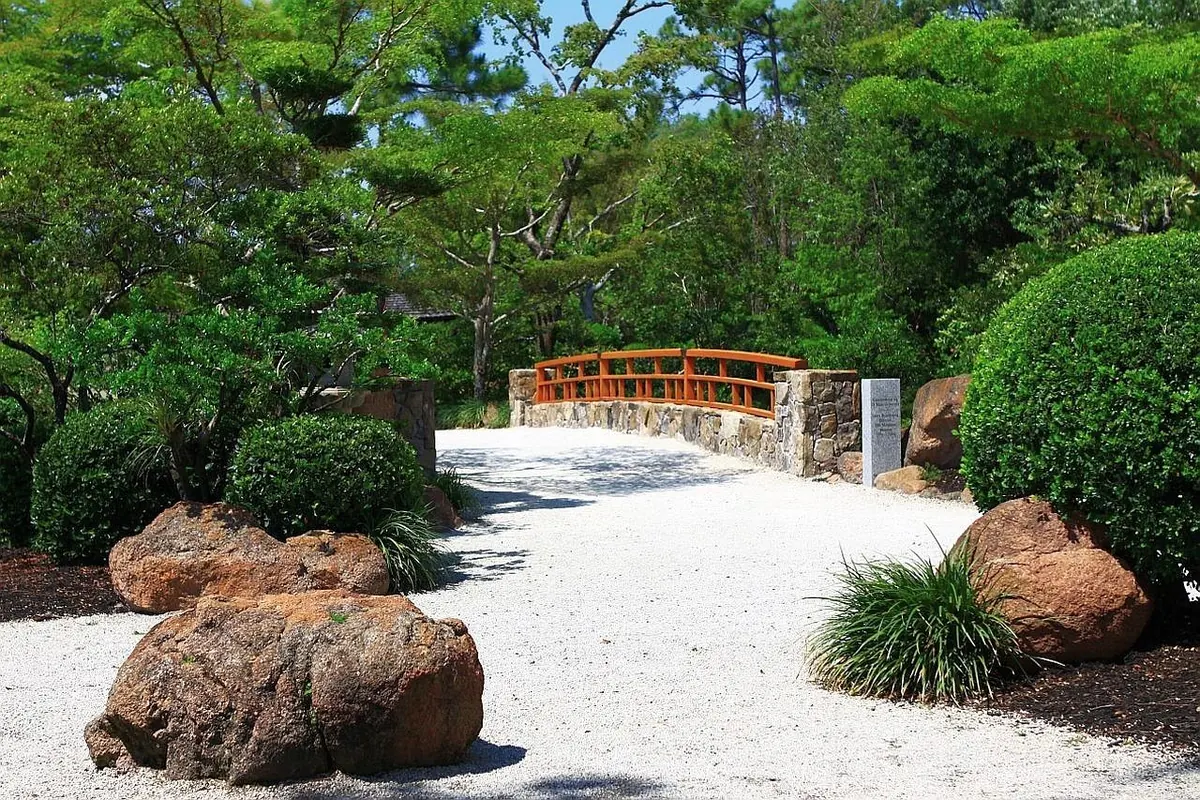
Gravel gives a garden structure. A pale 14–20mm angular gravel catches light and lifts a shady corner; darker gravels read as more formal against brick. Angular gravel interlocks and stays put, which matters on a slope. Rounded pea shingle is softer underfoot but migrates — it ends up on the lawn, in the border and in the house.
Bark mulch does the opposite job: it softens and settles. Dark brown mulch makes green foliage look richer and hides the joins between plants. Fresh chipped bark can look almost orange for a few weeks before weathering down. For borders, ask for aged or composted bark fines — they sit tighter and don't blow about. Chunkier bark looks more rustic and suits areas around trees.
Cost and quantity: what you're actually buying
Bark mulch generally costs less per square metre than ornamental gravel, and both are cheaper than paving. But the headline price isn't the whole cost — gravel only performs properly on a prepared base, and that's where the money goes.
- Gravel: allow a compacted sub-base, a weed-suppressing membrane, then 40–50mm of gravel as the visible layer.
- Bark mulch: 50–75mm for borders; closer to 100mm if you're smothering established weeds.
- Edging: both materials drift. Steel, timber or brick edging keeps gravel out of beds and mulch off paths.
- Delivery: bulk bags are awkward to shift — have them dropped as near to the work as possible.
Weed control: neither is a magic carpet
Both suppress weeds; neither stops them. Gravel over a membrane at the right depth keeps annual weeds down, but seeds blow in and germinate in the dust and leaf litter that collects between the stones. Those lift out easily. The real problem is perennials — bindweed, ground elder, couch grass — which push up through the membrane and snap off when you pull them, leaving the root behind.
Bark mulch works differently. Because it's organic and holds moisture, weed seeds can germinate in the mulch itself. The upside is that anything appearing lifts out root and all with two fingers, and the mulch feeds the soil as it breaks down. In a planted border, avoid solid membrane under mulch: it stops the worms working and prevents the mulch improving the ground beneath.
Drainage and mud
Gravel is free-draining by nature. On heavy clay, though, a path laid straight onto soil will pump mud up through the stones in a wet winter and slowly swallow the gravel. Dig out, compact a sub-base, add membrane, then gravel.
Bark mulch absorbs water and holds it, which is useful in a border — less splash on leaves, less watering in July. On a path that same quality is a liability. Bark breaks down into compost, compost holds water, and within a season or two you have a slick dark strip that stays wet for days. Avoid bark on any route you use daily in winter, especially in shade.
Upkeep through the year
Gravel needs raking once or twice a year to redistribute stones and lift leaves and twigs, plus a top-up every few years where it wears thin at gateways and corners. Don't spike a membrane with a fork. In deep shade, moss will move in — brush it out rather than reaching for chemicals.
Bark mulch is an annual job: top up by 20–30mm each spring to hold the depth at 50–75mm, and turn it lightly with a fork if it's matted. Keep it clear of tree trunks and shrub stems, since mounded mulch holds damp against bark and encourages rot. It's also a favourite of slugs and woodlice, so keep it a metre back from the house wall if that becomes a nuisance.
Which one where
- Front path from gate to door: angular gravel, edged, over sub-base and membrane.
- Borders and beds: aged bark mulch at 50–75mm.
- Shady north-facing border: bark mulch, topped up annually.
- Sloping path: angular gravel — rounded shingle will roll.
- Under hedges you can't mow up to: mulch, kept clear of the stems.
- Children's play area: ask a supplier for bark chips specified for play use, and follow their depth guidance.
Laying it well: the steps that matter
- Mark the edge and cut it clean with a spade or half-moon.
- For gravel, excavate to around 100mm, compact a sub-base, then lay membrane and 40–50mm of gravel.
- For mulch, clear existing weeds first, water the ground if it's dry, then spread in layers rather than one thick dump.
- Fit edging before the final layer goes down — retrofitting it is a miserable job.
- Leave a clear strip between mulch and any paving so wet mulch doesn't stain the stone.
- Rake level, then water the mulch lightly to settle the dust.
If you're still unsure, watch how the space is used. Anything carrying a person, a wheelbarrow or a bin wants gravel. Anything that exists to look good and be planted into wants mulch. Get the depth and the edging right and either will serve you for years.