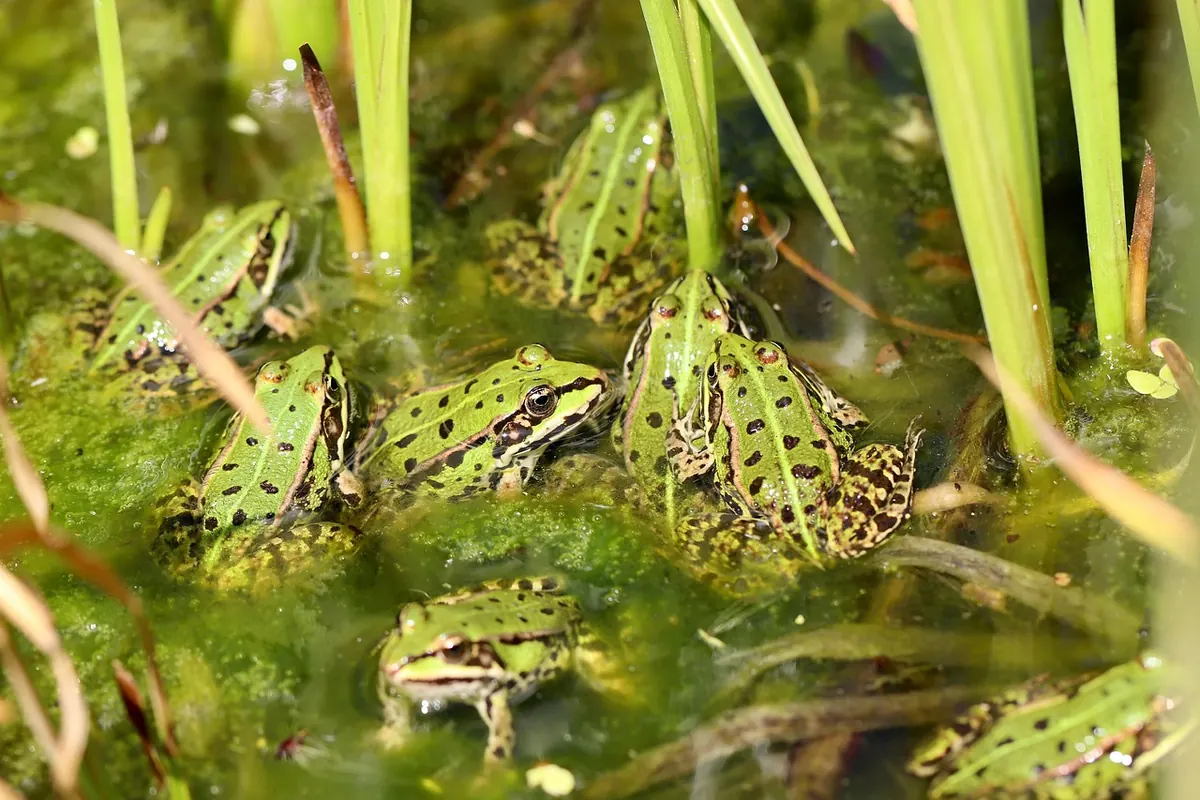
A pond the size of a dining table will hold more life than the rest of the garden put together. Within a season you can have frogs in the shallows, dragonflies patrolling above the water and sparrows queuing for a bath. Small gardens are not a handicap here. A compact pond is easier to plant, easier to keep clear and far easier to watch from a kitchen window than a big one.
Start with the site
Siting matters more than size. Aim for a spot with sun for at least half the day; dragonflies hunt over warm water and most flowering marginals sulk in deep shade. A little afternoon shade helps, though, because it slows the algae that turns new ponds green.
Walk the garden after heavy rain before you decide. Water gathers at the lowest point, which is the last place you want a pond: run-off carries soil, nutrients and any fertiliser or weedkiller you have used. Avoid sitting it under a tree or hedge, too. Roots can puncture a liner, and one autumn's leaf fall will fill the water with rotting material.
Flat ground is easiest. On a slope, terrace the hole so one side is dug in and the other built up with spoil. Put the pond somewhere you pass daily — you will spot tadpoles, newts and problems far sooner.
Work out the size and depth first
Ignore anyone who says a small pond is not worth it. A metre by a metre and a half is a real pond. Depth matters more than surface area, so dig a central section 60–75cm deep: that volume stays cooler in a heatwave, is less likely to freeze solid and gives frogs somewhere to sit out the coldest months.
Around it, cut at least one shelf 20–30cm below the finished water level, about 20–25cm wide, for planting baskets and basking amphibians. Then blend that shelf into a gently sloping beach at one side. This shallow entry is the single most valuable feature for wildlife, and the one most often forgotten.
With less than a square metre to spare, sink a half-barrel or an old sink into the ground and plant it tightly. It will still pull in frogs.
Digging and lining
- Mark the outline with rope or hose, then check you can reach the middle with a net from one side.
- Before you dig, check for buried pipes and cables. Ask your utility providers for service plans and keep well clear of drains, soakaways and sewer runs — never dig blind where a cable might lie.
- Strip the turf and stack it grass-side down. It rots into decent topsoil in a few months.
- Dig in layers, keeping topsoil and subsoil separate. Topsoil goes back on the shelves and around the edge for planting.
- Cut the shelves, then check them with a straight edge and a spirit level. Wobbly shelves look wrong once planted.
- Pick out sharp stones, glass and thick roots, then cushion the hole with 2–3cm of damp sand, old carpet or pond underlay.
- Use butyl liner for an irregular shape, allowing at least 30cm of overlap all round, or a rigid pre-formed liner for a very small pond. Fold the pleats, weight the edges with stones, then add water and let the liner settle before trimming.
Fill it with rainwater
Rainwater is the right water: soft, free of the nutrients that feed algae, and ready for wildlife. Fit a diverter to a downpipe and fill the pond from a butt over a week or two. Tap water is a workable fallback, but it carries nutrients and chlorine, so let it stand for a day or two first — and bear in mind that some water treatments do not break down this way. Top up in summer with rainwater, not a hose.
Plant it in layers
Planting turns a hole of water into a habitat. Work in three layers.
Underwater. Two or three bunches of oxygenators — hornwort, water starwort or curled pondweed — to compete with algae and shelter tadpoles.
Marginal shelves. Plant in baskets of low-nutrient aquatic compost topped with gravel. Marsh marigold, water forget-me-not, lesser spearwort, water mint and purple loosestrife all flower well in a small pond, and a clump of iris gives dragonflies somewhere to perch and lay.
Surface. One small water lily suits a pond around 1.5m across — choose the smallest cultivars rather than anything vigorous. Frogbit is a good native floater, and its leaves shade the water, which keeps algae down.
Avoid invasive non-natives such as floating pennywort, water fern, parrot's feather and New Zealand pygmyweed; they can swamp a small pond within a season. Never take plants, spawn or water from a wild pond or stream, and never tip spare pond plants into a ditch or river. Buy from a nursery, then compost the excess or pass it on to a neighbour.
Give wildlife a way in
Every visitor needs a way out. Build a ramp at one corner by stacking stones into steps, or lay a rough log at a shallow angle so it half-sinks. This saves hedgehogs, fledglings and tired bees from drowning. Birds need a firm, sloping stone at the edge, level with the water, to drink and bathe from, plus a shrub within a metre or two to retreat into.
Skip fish. Even a few goldfish eat frogspawn and tadpoles, stir up silt and turn the water green. If there are small children in the garden, fit a rigid mesh cover just below the surface or keep a wide, gently sloping shelf and supervise. Renters should check the tenancy agreement before digging.
Looking after it through the year
A good wildlife pond looks slightly neglected. If it is tidy and clear, it is probably not working.
Leave a new pond alone for the first few weeks. It will go green; that is normal, and it passes as plants establish and tiny grazers move in.
- Spring: lift excess blanketweed with a stick and leave it on the edge overnight so anything caught up can crawl back. Divide crowded marginals.
- Summer: thin oxygenators if they fill the water, and top up with rainwater to keep the level steady.
- Autumn: net falling leaves if trees are close, keeping the net taut and above the surface so nothing gets tangled, then take it off once the leaves are down.
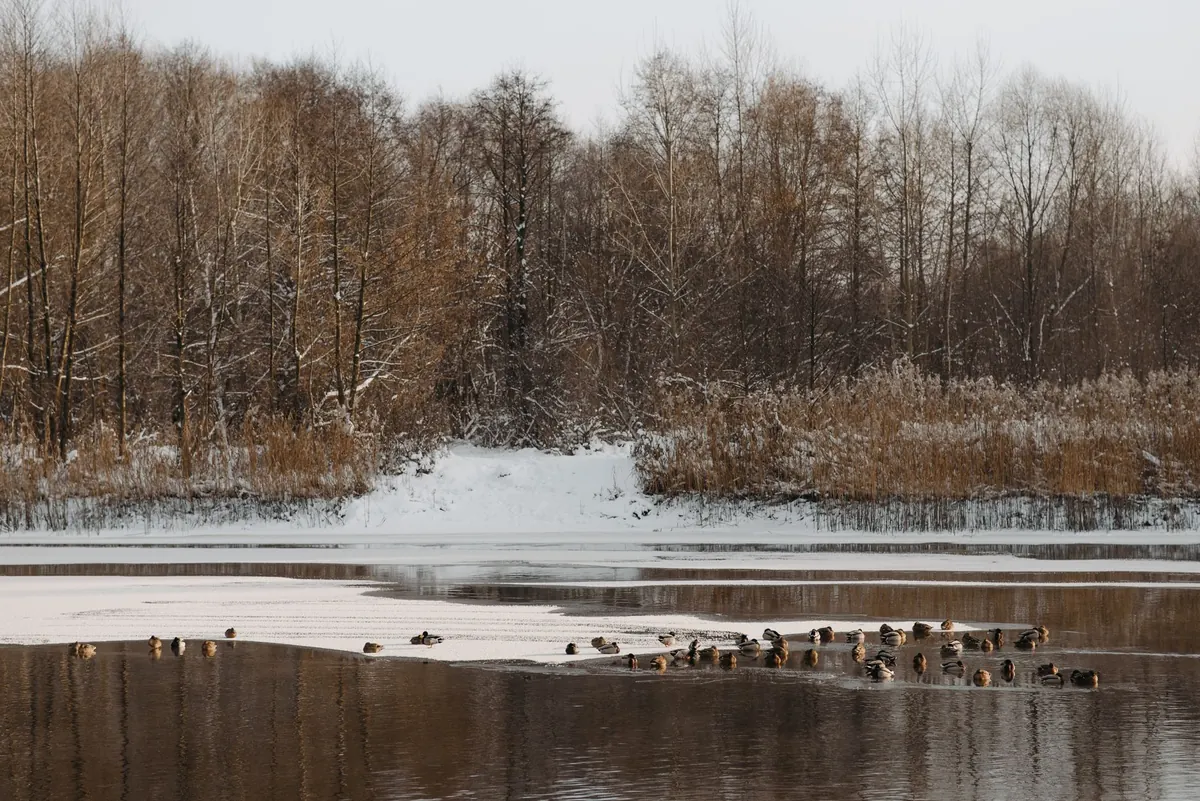
- Winter: never smash ice — the shock travels through the water. Melt a hole by standing a pan of hot water on the surface instead. Leave plant stems standing 15cm above the water, because dragonfly and damselfly larvae overwinter inside them.
Then do the most useful thing of all: watch it. Frogs usually arrive within a season, newts take longer, and dragonflies will find even the smallest suburban pond. Once the water is in, most of the job is leaving it be.
Photo: Nennieinszweidrei / Pixabay