A small garden asks a lot of you. Every square metre has to earn its place, and the way you grow — in boxes of imported compost or straight into the ground — shapes what you spend, how often you water, and whether your back forgives you on a Sunday afternoon. Neither approach wins everywhere. The right answer depends on your soil, your space, your budget and how you like to garden. Here is how they compare on the things that really matter.
What You're Actually Comparing
A raised bed is a bottomless box sitting on the ground, filled with a mix of topsoil and compost. Most vegetables are happy in 20–30cm of growing medium; carrots, parsnips and other long-rooted crops want closer to 30cm or more. It is not the same as a planter on legs or a row of pots — those hold far less soil, dry out faster and need far more feeding.
Direct planting means working with the ground you already have. You fork it over, add well-rotted manure or compost, mulch the surface and plant into it. If your garden is mostly paving or gravel, this option is off the table, and raised beds or containers become the only realistic route.
Cost: Where the Money Actually Goes
The boards are rarely the expensive part. Filling the bed is.
A bed measuring 2m by 1m and 30cm deep needs roughly 0.6 cubic metres of growing medium — about 600 litres. Buy that in 60-litre sacks and the cost quickly overtakes the timber. Work out volumes before you order anything, and consider these ways to keep it manageable:
- Buying in bulk. A single bulk bag of topsoil or compost usually works out far cheaper per litre than sacks from a garden centre.
- Mixing your own. Roughly two parts topsoil to one part compost, with a little grit for drainage, suits most crops well.
- Filling the base. Logs, brash, turf sods and cardboard take up space at the bottom. They rot down over a season or two, so the bed will sink — top it up, and avoid deep-rooted crops above the woody layer in year one.
- Choosing materials that last. Tanalised timber, recycled plastic and galvanised steel cost more upfront than untreated boards, but untreated wood sitting in damp ground will need replacing sooner.
Direct planting costs far less to start: a few bags of compost, a fork and perhaps a soil test kit. The catch is time. Heavy clay or thin sandy soil improves over years, not weekends, and you may spend your first season growing little more than green manure.
Drainage, Soil and the British Weather
This is where the two options pull furthest apart.
Raised beds drain freely. On heavy clay that is a gift — winter waterlogging stops being an annual worry and the soil warms up sooner in spring, so you can sow a little earlier. On light, sandy ground the same free drainage becomes a problem, and you will be watering through every dry spell.
Open ground behaves according to what you have got. A decent loam is hard to beat: roots go deep, worms and soil life do much of the work, and established plants need far less watering. Clay holds nutrients well but turns to brick in a dry summer and sludge in a wet winter. Sandy soil drains too fast and loses feed.
Raised beds give you control. Filled with the right mix, they can be gritty for carrots, rich for salads or acidic for blueberries, regardless of what lies beneath. That control is what you are paying for.
Accessibility and Comfort
Height is the whole point for many gardeners. A bed raised to 30cm takes pressure off knees. At 60–90cm you can work sitting on a stool or from a wheelchair, though the deeper the bed, the more soil you need to buy.
Width matters as much as height. Keep beds to about 1.2m across so you can reach the middle from either side without stepping on the soil. In a small garden that usually means two narrow beds with a path between them rather than one wide one.
With direct planting, a kneeler and long-handled tools make a real difference, and one simple rule saves a lot of grief: never stand on the ground you are growing in. Compaction undoes years of good work in a single wet afternoon.
Maintenance Through the Year
Raised beds need topping up each year — soil settles, crops take nutrients out, and you will lose a few centimetres annually. Limited soil volume also means more watering in summer and more feeding, since plants cannot send roots deeper in search of moisture. On the plus side, weeds are easier to manage and slugs have fewer hiding places at ground level.
Open ground asks less of your watering can and more of your patience. Weed seeds blow in from every direction, slugs and snails arrive from the surrounding soil, and you will be digging out couch grass for a while yet. In return, the soil improves itself if you keep mulching.
Which Suits Your Garden?
Choose raised beds if:
- Your soil is heavy clay, compacted, contaminated or full of rubble.
- Your garden is paved, gravelled or on a slope.
- You want to garden seated, or kneeling is painful.
- You want a tidy, defined layout in a tight space, or want acid-loving plants in ordinary soil.
Stick with direct planting if:
- Your soil is reasonable and you have room to improve it.
- Budget is tight and you would rather spend on seeds and plants.
- You want to grow hungry, space-hungry crops such as potatoes, squash and sweetcorn.
- You would rather not water every other evening in July.
The Hybrid Approach Most Small Gardens End Up With
You do not have to pick a side. A common and sensible compromise is one or two raised beds near the back door for salads, herbs and anything you pick often, with the rest of the space planted directly into improved ground for bigger, thirstier crops. Deep beds earn their keep for carrots and parsnips where the subsoil is stony; shallower ones handle lettuce, radish and spring onions perfectly well.
How to Decide This Weekend
Start with the soil. Pick up a handful, squeeze it, and see whether it crumbles or clumps like plasticine. Clay that holds a ball shape needs organic matter and better drainage; crumbly loam can be planted into with a good mulch on top.
- Watch your growing space for a day and note how many hours of direct sun it gets. Most vegetables want six or more.
- Measure properly, then draw the layout on paper — beds, paths and all. A 1.2m-wide bed is reachable; a 1.5m one is not.
- Work out how much soil you would need to fill any bed you plan to build. If the volume makes you wince, start with one bed, not four.
- Plant something this season, whatever you decide. A single bed of salads and herbs will teach you more about your garden than a year of planning.
Whichever route you take, add compost, mulch generously and give it a couple of seasons. Both approaches improve with time, and in a small garden that patience pays back in every square metre.
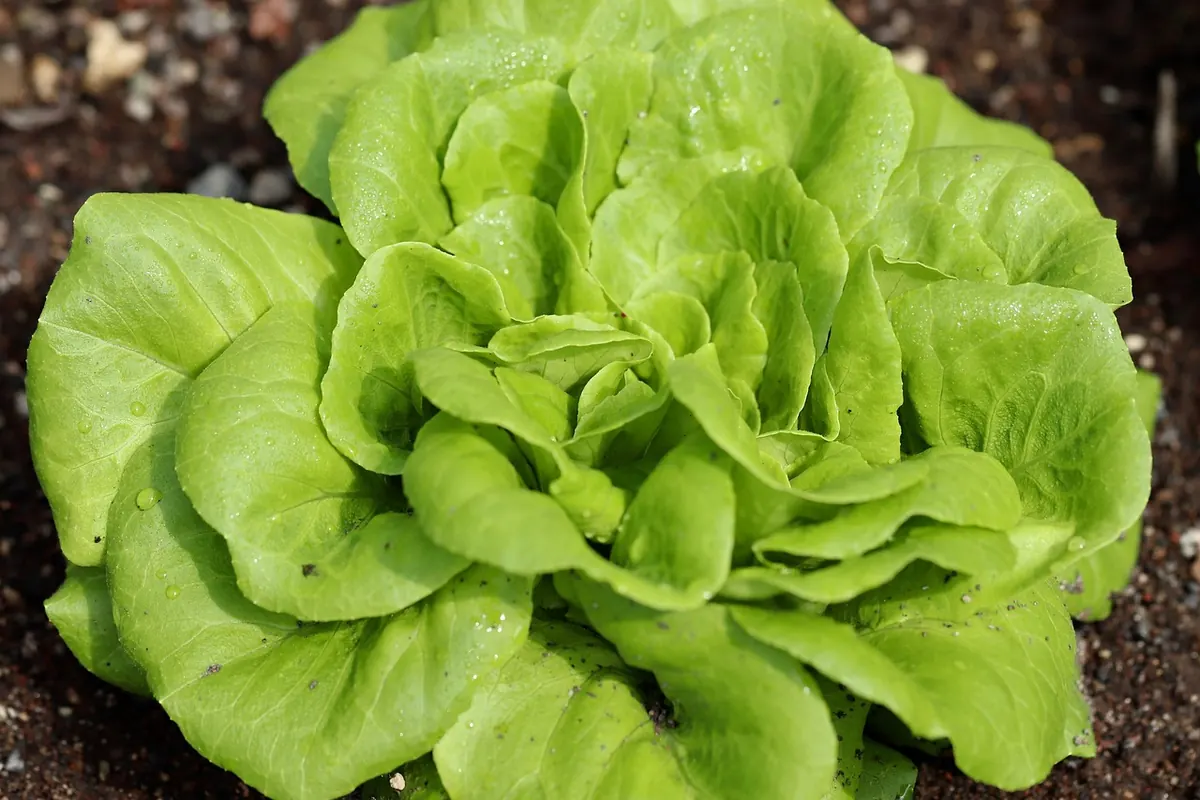
Photo: Nennieinszweidrei / Pixabay